
Tourism at a Glance

Discover the natural beauty, spiritual heritage, and cultural richness of Mahabubabad District.
🏞️
5+ Tourist Attractions
🛕
10+ Historic Temples
🌿
Eco Tourism Destinations
🎭
Rich Tribal Heritage
Pedda Cheruvu
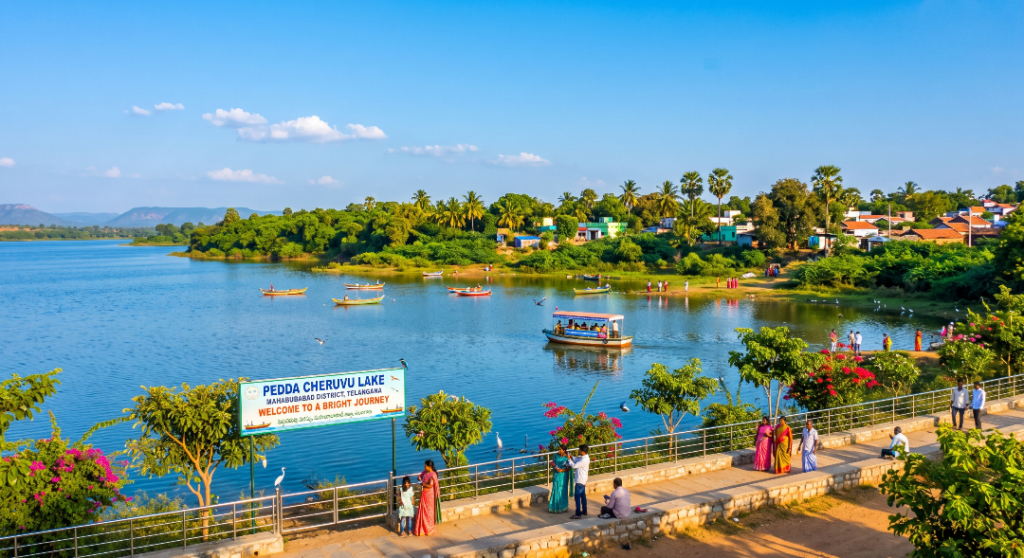
Pedda Cheruvu is an idyllic destination for a variety of recreational activities. Its expansive grounds are perfect for leisurely picnics, where families and friends can relax under the shade of trees while enjoying the stunning views. For photography enthusiasts, the lake offers a plethora of scenic compositions, especially during sunrise and sunset when the water reflects the vibrant colors of the sky. The lake and its surrounding wetlands are also a favorite spot for bird watching, attracting a diverse range of local and migratory bird species. In the evenings, it becomes a preferred spot for relaxation, where visitors can stroll along the bund and enjoy the cool breeze. The stunning natural setting of Pedda Cheruvu holds significant potential for eco-tourism and recreational development. Future plans could include the addition of boating facilities, allowing visitors to explore the lake’s water, and the development of landscaped gardens and walking paths to enhance the overall experience.
As a highly accessible serene destination located just 1 km from the historic Kuravi Veerabhadra Swamy Temple, Pedda Cheruvu draws an estimated 25,000–35,000 visitors annually, driven by families, photographers, birdwatchers, and pilgrims looking to relax. The lake generates an estimated ₹80 lakhs to ₹1.5 crore to the local micro-economy each year. This revenue flows directly into the community through visitor spending on local transport (like auto-rickshaws), food stalls, picnic supplies, and nearby retail shops.
Bheemuni Paadam Waterfalls
The Bheemuni Padham Waterfalls stands as one of Telangana’s most breathtaking hidden treasures, perfectly blending pristine natural beauty with ancient spiritual lore. The waterfall derives its fascinating name, Bheemuni Padham (meaning “The Footprint of Bheem”), from a massive rock formation resembling a giant footprint through which the water flows. According to local mythology, the legendary Pandava brother, Bheem, stepped here during their exile (Agnathavasam), releasing a perennial stream of water to quench the thirst of his mother, Kunti. Hidden within the dense, untamed forests of Seethanagaram Village in the Gudur Mandal of Mahabubabad, this magnificent cascade plunges from a height of nearly 70 feet into a deep, semi-circular natural rock enclosure. Adding to its mystical allure is a mysterious, unexplored cave tucked directly beside the falls, which locals believe carves its way up to 10 kilometers deep into the rocky hills. Nearby, small rustic shrines dedicated to Lord Shiva and Nagadevatha (the serpent deity) draw devotees who perform quiet pujas amidst the wilderness.
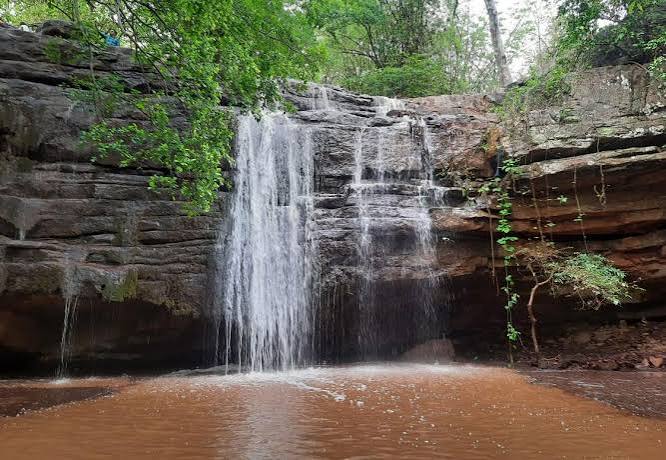
Bheemuni Padham Waterfalls is one of the most scenic eco-tourism destinations in Mahabubabad District, attracting an estimated 40,000–60,000 visitors annually. The waterfall contributes an estimated ₹1.5–2.5 crore to the local tourism economy each year through visitor spending on transportation, food, local shops, and tourism-related services.
Kandikonda Hills
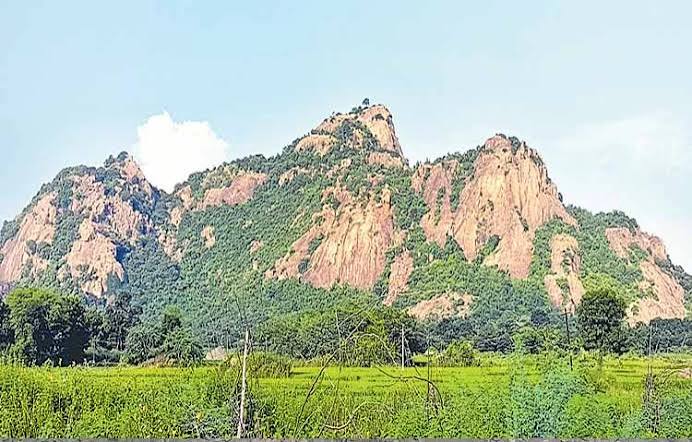
Kandikonda Hills (historically known as Kandagiri) is a scenic eco-tourism destination in the Kuravi mandal of the Mahabubabad District, renowned for its rolling hills, lush greenery, and tranquil natural surroundings. Beyond its pristine landscape, this captivating hill station is deeply rooted in medieval history and spirituality; records indicate that in the late 14th century, King Venna of the Recherla dynasty established himself at Skandadri (the ancient name for Kandikonda) and initiated temple construction across the terrain. Today, the hill serves as a prominent spiritual sanctuary featuring two distinct paths: one leading to a middle-level temple dedicated to Lord Venkateshwara and a sacred water tank (Koneru), and a steeper path ascending straight to the highest rocky summit where the ancient Sri Lakshmi Narasimha Swamy Temple stands. The area truly comes alive during the transition between monsoon and winter, particularly on Kartika Pournami, when the annual Kandikonda Jatara attracts thousands of barefoot pilgrims who trek up the verdant slopes while locals light lamps below, transforming the mountain into a brilliant cultural spectacle
Kandikonda Hills is estimated to generate a local tourism economy of ₹0.8–1.5 crore annually through visitor spending on transportation, food, local vendors, guided trekking, and other tourism-related services.
Edu Bavulu Waterfalls
The Edu Bavulu Waterfalls (also known as Yedu Bavula Waterfalls) is located in the densely forested, hilly terrain of the Guduru and Bayyaram zones in the Mahabubabad district of Telangana. Nestled deep within a lush green forest, the name “Edu Bavulu” translates to “Seven Wells,” capturing the unique and fascinating natural structure where the cascading water plunges sequentially into seven distinct, naturally formed rocky pools or wells stretching across the rugged hills. Local folklore and tribal legends connect this majestic site to the Mahabharata, believing that the Pandavas spent a portion of their exile here, earning the surrounding hills the moniker of Pandavula Gutta. Reaching this hidden paradise requires an adventurous trek of about four kilometers along a dense, unpaved forest trail starting from the tribal hamlet of Miryalapenta. Spanning an impressive hillside stretch of nearly 900 meters in elevation, the geological marvel presents a captivating sight as water spilling from the first pool automatically overflows to fill the second, continuing in a step-like sequence until it reaches the final basin, where the water intriguingly trickles down and vanishes into the porous forest earth.
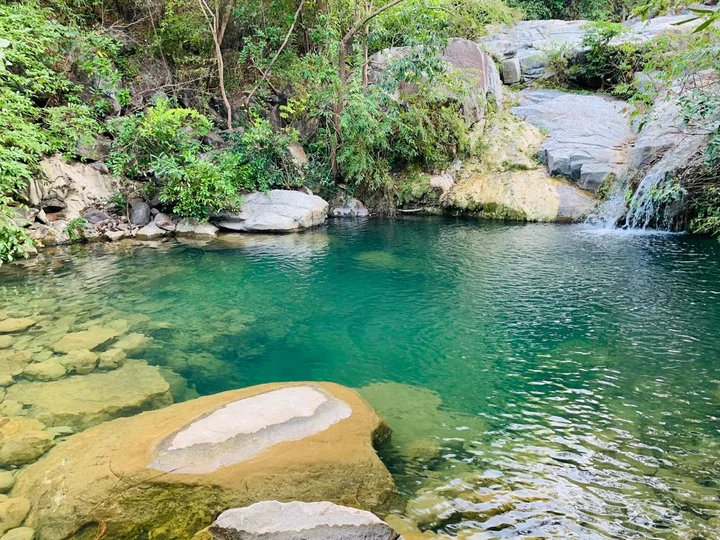
Edubavula Waterfalls is a scenic eco-tourism destination in Mahabubabad District that attracts an estimated 20,000–35,000 visitors annually, particularly during the monsoon season (July–October). The waterfall contributes an estimated annual tourism economy of ₹0.8–1.5 crore, driven by visitor spending on transportation, food, local vendors, and nearby tourism-related services.
Chintoni Waterfalls
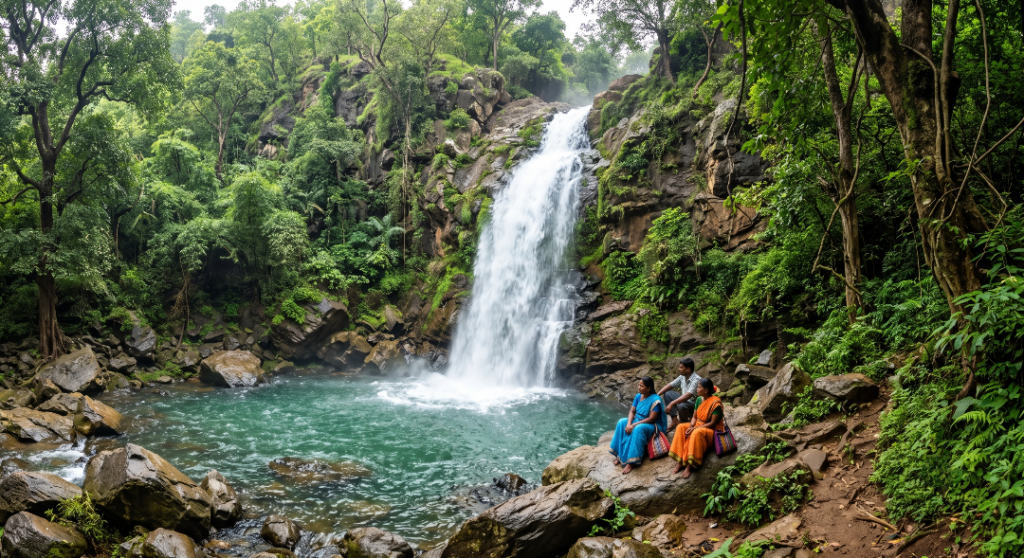
Traditionally referred to by locals as the Chinthoni Gumpu Waterfalls, this hidden eco-tourism treasure is located within the lush, densely forested terrain of the Bayyaram zone in the Mahabubabad district of Telangana. Hidden away from commercialization, the waterfall becomes a roaring spectacle during the peak monsoon season, when heavy seasonal rains transform the quiet forest tracks into a vibrant paradise of gushing streams and misty air. The pristine water cascades dramatically over rugged, dark rock formations into a deep natural pool below, drawing small groups of local trekkers and nature enthusiasts seeking solitude away from city life. Visually framed by thick tropical greenery, the site is a growing favorite for regional offbeat travel; however, because it remains a raw, unmanaged forest destination without formal safety barriers, visitors are strongly advised to navigate the slippery, rock-strewn trails with extreme care during heavy downpours.
Chintoni Waterfalls is one of the emerging eco-tourism destinations in Mahabubabad District, attracting an estimated 15,000–30,000 visitors annually. Surrounded by lush greenery and picturesque landscapes, the waterfall is especially popular during the monsoon and post-monsoon seasons. It is estimated to generate a local tourism economy of ₹0.5–1.0 crore per year through visitor spending on transportation, food, local vendors, and recreational activities.
Ananthadri Temple
Ananthadri Temple, also known as Anantharam Sri Venkateswara Swamy Temple, is one of the prominent spiritual and tourist destinations in Mahabubabad District, located about 5 km from Mahabubabad town. Situated atop picturesque hillocks amidst lush greenery, the temple is dedicated to Lord Venkateswara (Jagannatha Swamy) along with Subhadra and Balabhadra. Believed to date back to the pre-Kakatiya period, the temple is renowned for its serene atmosphere, scenic surroundings, and architectural significance. A large lake at the foothills, landscaped gardens, children’s play area, and panoramic hill views make it a popular destination for both pilgrims and nature lovers. Thousands of devotees visit the temple every year, especially during Brahmotsavam, Vaikuntha Ekadashi, Saturdays, and other auspicious occasions. The temple is managed by the Telangana Endowments Department and has been developed with improved facilities for pilgrims.
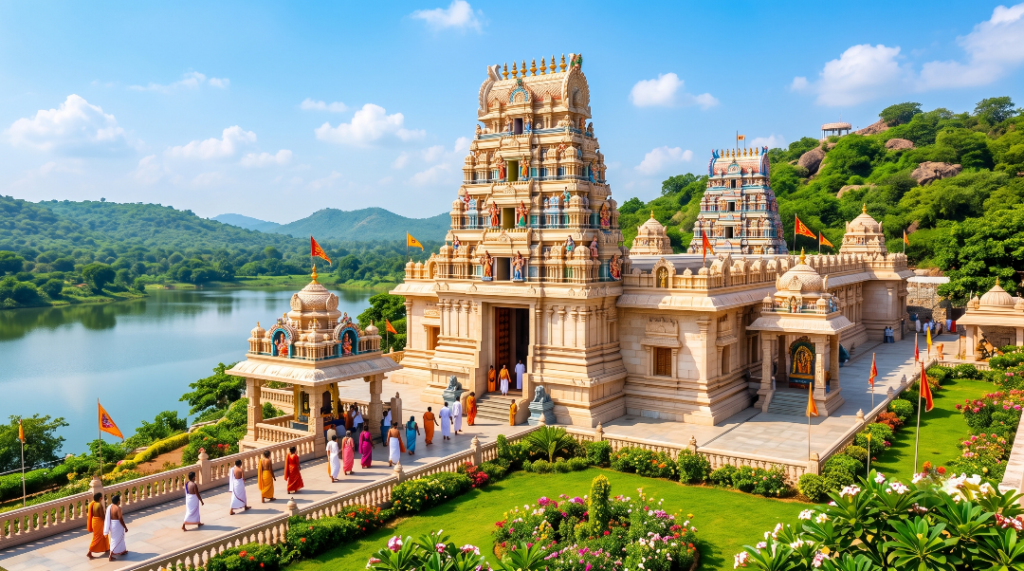
The temple is estimated to contribute ₹6–10 crore annually to the local tourism economy through donations, pilgrim spending on accommodation, food, transportation, local shopping, and other tourism-related services. The temple itself is reported to earn over ₹6 lakh annually in direct temple revenue under the Endowments Department, while the larger estimate above reflects the broader economic impact generated by visitors to the area.